Guide
How to choose a tiny cabin kit (without fake rankings)
There is no honest “#1 kit.” There is a kit that fits your climate, skill, and land. Here is how to tell.
Updated September 8, 2026
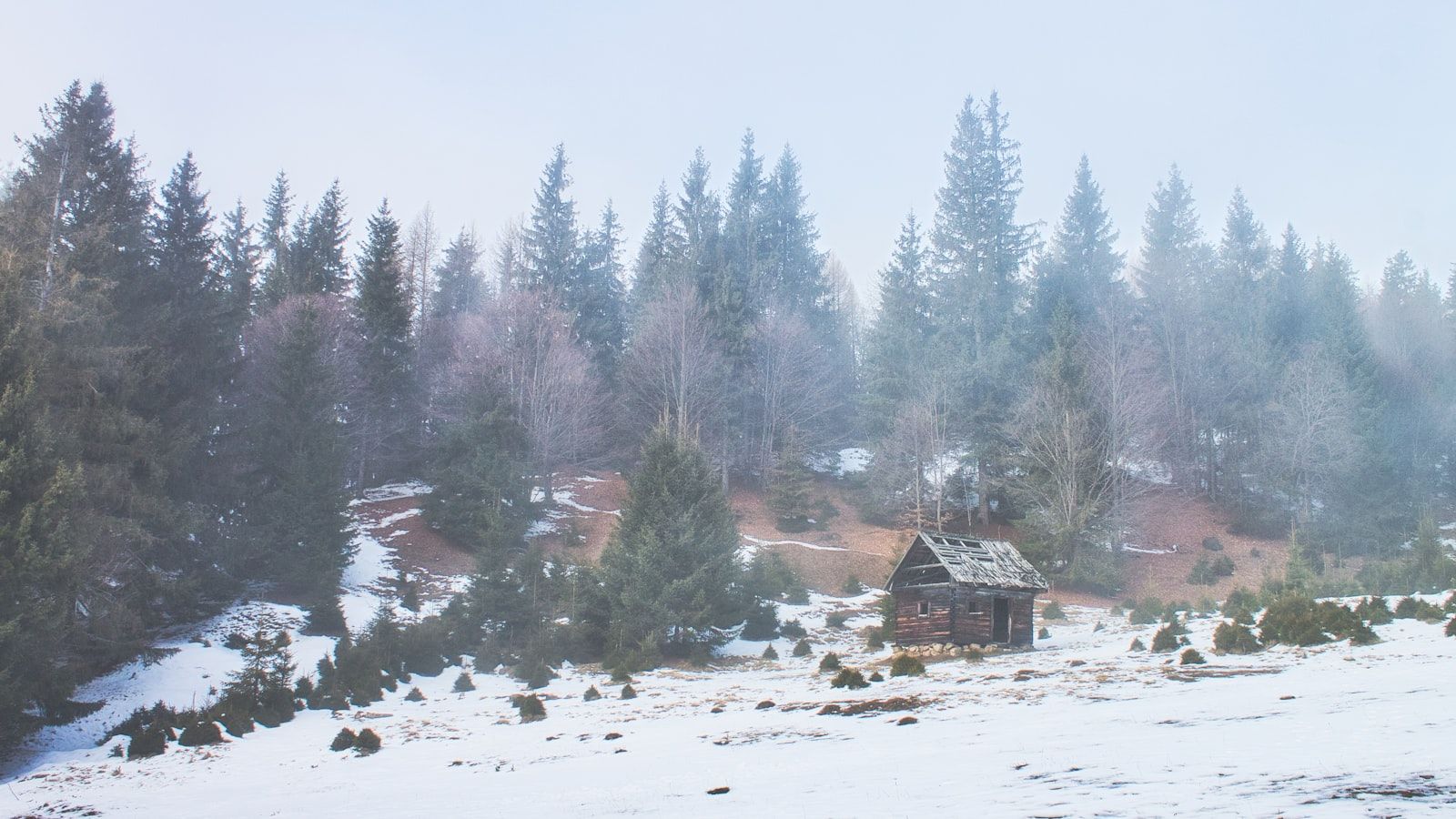
Search results for “best tiny cabin kits” are usually a stack of numbered lists with the same five logos in a different order. We will not invent a ranking. Brands change SKUs, freight, and what’s in the crate faster than a static list stays honest.
What you can do instead is score kits against your site. The “best” kit is the one that can be delivered, assembled by the people you actually have, and permitted in the climate you have — not the one with the nicest porch photo.
Criteria that matter more than brand names
Climate and structure
Ask for design snow load, wind speed, roof pitch, and wall assembly — in numbers, not adjectives. A kit engineered for a mild Mid-Atlantic weekend plot is not a mountain kit. If the seller cannot tell you the loads, you will be the one explaining it to the building official.
What is actually in the crate
Request a line-item packing list. Note windows (U-factor, not just “double pane”), exterior doors, roofing, fasteners, flashing, insulation (and whether it is included), interior lining, and anything marked “by owner.” Two kits with the same square footage can be a finished shell versus a lumber puzzle.
Assembly skill and crew size
“Two people, one weekend” is marketing. Ask how many person-days the last three customers needed to dry-in, whether a lift is required, and if the company offers a lead carpenter. If you are hiring a local builder, send them the manual before you pay a deposit.
Delivery radius and site access
Confirm they will deliver to your ZIP, what truck shows up, and what the site must provide (turnaround, crane pad, forklift). Mountain and island sites fail more kits than bad taste does.
Foundation compatibility
Piers, slab, or skids are not interchangeable after the fact. Get an anchor plan. If you are in frost country, “set it on blocks” is not a foundation.
Drawings, warranty, and who answers the phone
Useful kits come with dimensioned plans and, when a permit is likely, engineer-stamped options. Ask how long the company has been shipping this model, what the warranty excludes (finish, windows, your labor), and whether support is email-only after the truck leaves.
A fair way to categorize kits
- DIY panel / cabin kits: lowest cash, highest owner labor and upgrade risk. Fine when you have skill and a mild site.
- Prefab shells: faster dry-in, more consistent openings and connections. You still own the interior and utilities.
- Near-complete packages: more of the finish travels with the kit. Check that “complete” includes mechanicals — it often does not.
- Builder-led systems: the company (or a licensed partner) erects the shell. You are buying process as much as materials. Compare that path to hiring a local carpenter with a simpler kit.
Questions to send every seller
- What snow, wind, and roof loads is this model designed for?
- Can I see the full material list and a recent delivery photo of this SKU?
- Do you provide stamped drawings for my state if the county requires them?
- What foundation do you specify, and what is excluded?
- Who is responsible if a panel arrives damaged?
- What does assembly look like for someone who has framed a shed vs. someone who has not?
- Can I visit a finished example, or talk to an owner who built in a similar climate?
Red flags
- No load numbers, no packing list, deposit due before either exists.
- “No permit needed anywhere” as a sales line.
- Renderings only — no photos of assembled buildings in weather.
- Pressure to buy this week because a ranking site featured them.
- Windows and roofing described as “standard” with no spec sheet.
After you shortlist two or three
Price them as delivered + founded + dry-in, not crate vs. crate. Then read what a kit actually costs and the permit stack before you send a deposit. If you want help comparing options against your land, use the match form — that is the product.
Next steps
Recommended next steps
Start with a match against your land. Partner links, when they appear, are optional lookups — not a shortlist and not a “#1 kit.”
Match form
Get a kit or builder shortlist
Send budget, timeline, and land status. We reply with a handful of fits — not a catalog dump.
Open the match formPlans
Texas Tiny Homes plans
Plan sets for small cabins. Useful when you want drawings before you commit to a crate — not a substitute for a local permit conversation.
View Texas Tiny Homes plansPlans
Tiny Home Builders plans
Plan sets for tiny houses and small cabins. Another place to look at drawings before you buy a kit or hire a builder — not a ranking, and not a permit.
View Tiny Home Builders plansPlans
The Tiny Project plans
Construction plans and tiny house plans from The Tiny Project. Another place to look at drawings before you buy a kit or hire a builder — not a ranking, and not a kit.
View The Tiny Project plans
Partner links on this page may earn us a commission if you purchase through them. We do not rank kits or call anyone “#1.” Compare packing lists and your site before you send a deposit.