Guide
Tiny cabin permits in the U.S.: a high-level starting map
Building, septic, well, driveway, and occupancy are the usual stack. Confirm every item with the office that issues the stamp.
Updated September 8, 2026
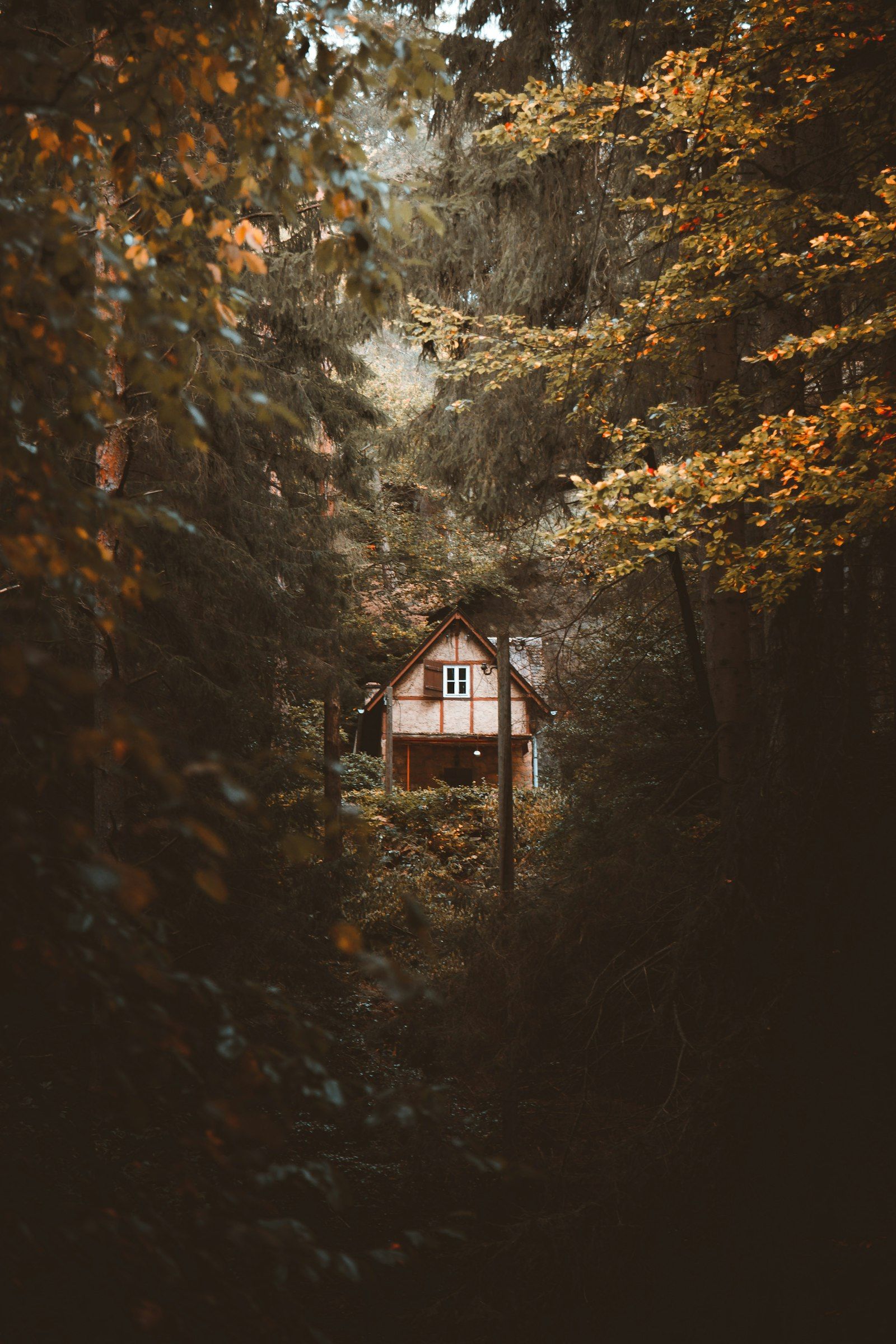
This is a high-level U.S. map, not a permit set and not legal advice. Counties, cities, townships, and tribal nations write the rules that apply to your dirt. Two parcels in the same state can disagree about whether a 320 sq ft cabin is a shed, a dwelling, or not allowed at all.
Use this to know which offices to call and what to ask. Then believe the person who issues the stamp over any article — including this one.
The stack most cabin projects run into
You will not need every item every time. You should know why each one does or does not apply.
- Zoning / land use. Can a cabin or accessory structure exist on this lot? Setbacks, height, lot coverage, and whether overnight use is allowed live here. HOAs and CC&Rs are a second private layer.
- Building permit. Structure, snow/wind, exits, stairs/lofts, and sometimes energy code. Some rural counties exempt very small agricultural or storage buildings — exemptions usually collapse if you add a kitchen, bedroom, or full-time occupancy.
- Septic or sewer. Environmental health cares about bedrooms (they count occupants), soil, and setbacks from wells and water. A composting toilet can reduce wastewater, not automatically erase the permit.
- Well, water, or a documented haul plan. New wells are permitted. Connecting to a shared system has its own paperwork.
- Driveway / approach / culvert. County road departments often want a permit before you cut the ditch.
- Electrical (and sometimes mechanical/plumbing). Even when the “cabin” is informal, a new service or generator interlock usually is not.
- Occupancy or use sign-off. The last piece if you want to sleep there legally as a dwelling. Skipping it is how people get surprised at sale or insurance time.
Cabin vs. ADU vs. “it’s on wheels”
Language matters in the lobby. Calling it a storage building when you intend to live in it is how projects get stop-work orders. Calling it an ADU when the kit cannot meet residential code is how you stall for a year.
- Accessory structure / recreational cabin: sometimes allowed with lighter rules if it is not a primary residence. Sleeping may still trigger dwelling standards.
- ADU: a legal second home. Expect drawings, inspections, parking rules, and owner-occupancy clauses in some cities.
- RV / tiny house on wheels: parking duration, skirting, and whether it counts as a residence are usually zoning + health, not “the trailer title solves it.” There is no nationwide tiny-house loophole.
For the product difference, see tiny cabin vs. tiny home.
A first phone script
When you call planning, have the parcel number and say:
- Approximate size and whether it has a kitchen, loft, and bathroom.
- Foundation type you are considering (piers, slab, skids).
- Whether anyone will live there full-time or seasonally.
- Water and waste plan (existing septic? new? sewer?).
- Whether you have a kit with engineered drawings.
Then ask: “What permits would you expect, and what would make this a dwelling instead of an accessory cabin?” Write down the name of the person you spoke with.
Documents that make the second call shorter
- Site sketch with setbacks, well, septic, and driveway.
- Kit or builder floor plan and elevation.
- Load sheet (snow, wind) and foundation note.
- Proof of legal access and, if relevant, HOA rules.
What this site will and will not do
Tiny Cabin can help you choose kits and builders who are used to permitted work, or who are honest that they sell a recreational shell. We cannot pull your permit, stamp your drawings, or tell you that your county will say yes.
If you already know the land is buildable and you want a shortlist, send ZIP, budget, and land status through the form. Mention in the notes if the county has already told you “cabin only,” “ADU path,” or “not as a residence.”